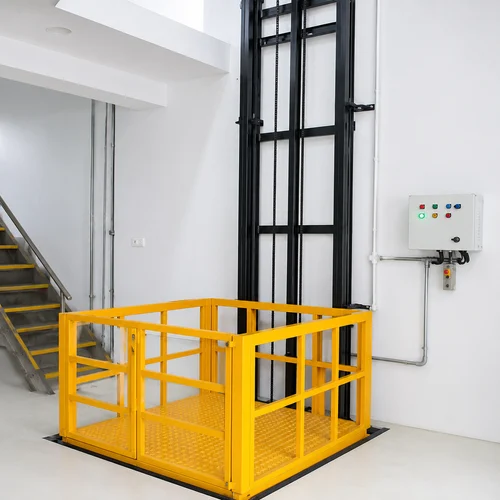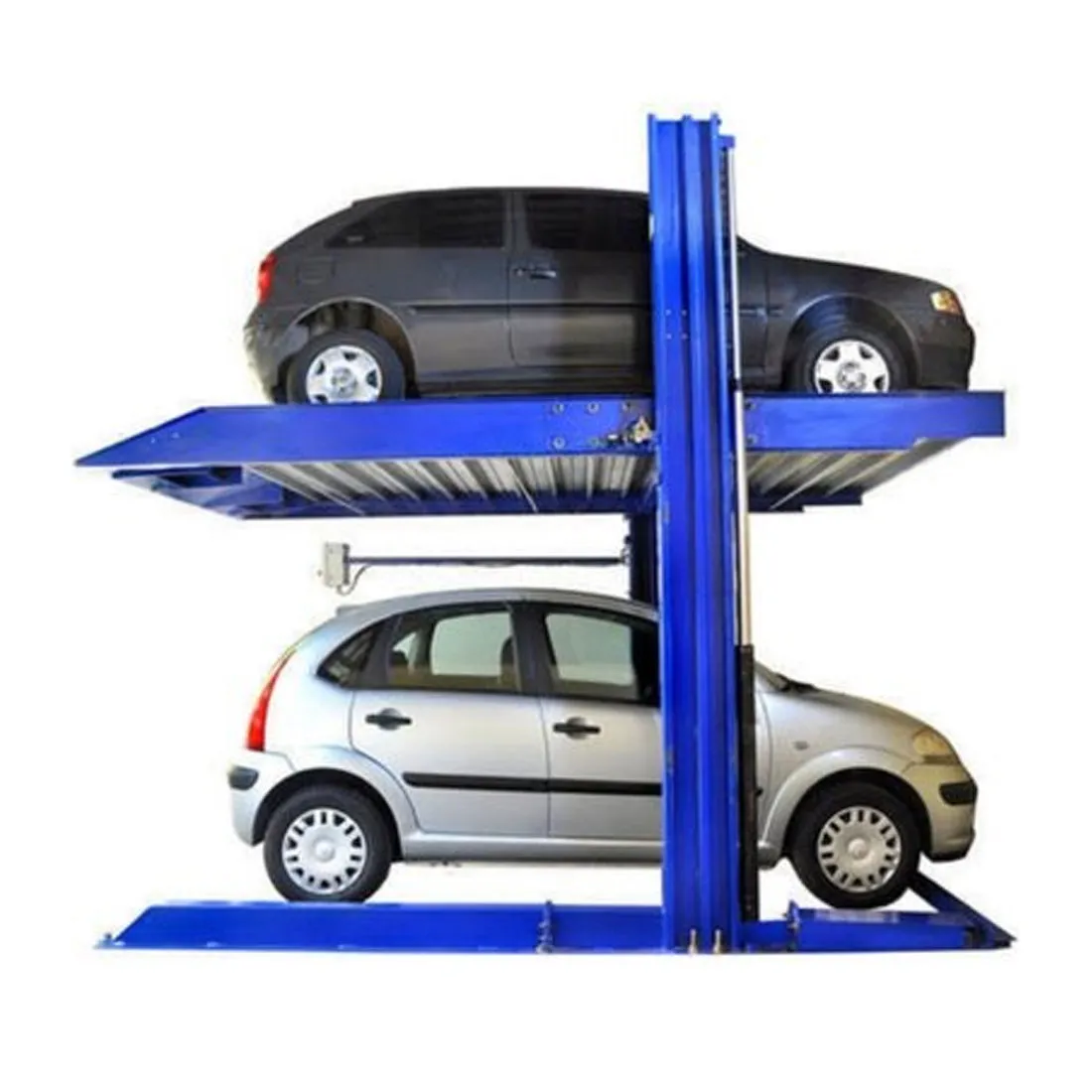
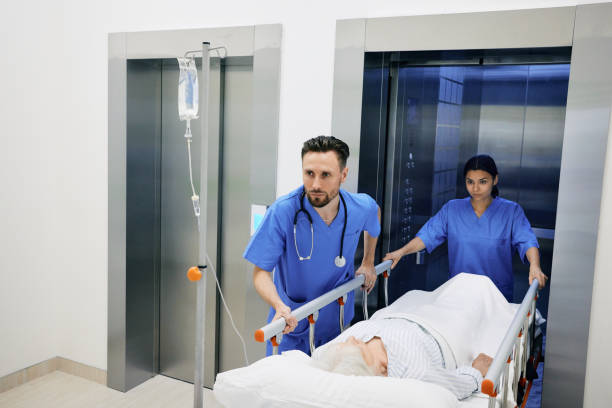
Hospital Elevator Manufacturer & Installation
Hospitals are environments where safe, convenient, and dependable movement is extremely important. Patients, doctors, nurses, visitors, medical equipment, wheelchairs, and hospital staff may need to move between different floors throughout the day. A properly planned elevator system can make this movement more convenient and support the daily functioning of a healthcare facility.
Unlike standard passenger elevators, hospital lifts may have different requirements depending on the building layout, patient movement, equipment dimensions, traffic levels, and operational needs. For this reason, selecting a company experienced in Hospital Elevator Manufacturer & Installation can be an important part of planning a healthcare project.
From initial consultation and lift selection to installation, testing, and maintenance, every stage should be carefully considered to ensure that the elevator matches the requirements of the facility.
Why Hospitals Need Specialized Elevator Solutions
Hospitals have a continuous flow of people and equipment. Patients may need to be transported on stretchers or wheelchairs, while staff may move medical supplies and equipment between departments.
A suitable hospital elevator should therefore provide adequate cabin space and convenient access. Door dimensions, cabin configuration, load capacity, travel distance, and building layout should be considered during the planning stage.
The requirements of a small clinic may also differ from those of a multi-storey hospital. A professional team handling Hospital Elevator Manufacturer & Installation can evaluate the building and discuss the appropriate configuration based on its intended use.
Important Factors When Selecting a Hospital Elevator
Choosing a hospital elevator requires attention to several technical and practical factors.
Cabin Size and Capacity
Hospital elevators may need more internal space than standard passenger lifts because they can be used for stretchers, wheelchairs, medical equipment, staff, and visitors.
The required capacity should be determined according to the expected usage and building requirements.
Smooth Operation
Smooth acceleration, deceleration, and stopping can be important in healthcare environments. Patients may be transported using wheelchairs or stretchers, so comfortable movement between floors is a significant consideration.
Door Configuration
The door arrangement should provide convenient access for patients, hospital staff, wheelchairs, and equipment. The exact configuration depends on the elevator design and building layout.
Safety Features
Safety should remain a major consideration when selecting any hospital elevator. Depending on the elevator configuration, systems may include emergency alarms, door safety mechanisms, overload protection, emergency rescue arrangements, and other safety components.
Importance of Professional Hospital Lift Installation
A hospital elevator needs proper installation to perform according to its intended specifications. Installation can include site preparation, equipment assembly, electrical connections, door installation, alignment, control-system configuration, testing, and commissioning.
Professional Hospital Elevator Manufacturer & Installation services can help coordinate these stages from the beginning. Proper planning can also reduce installation-related complications during the construction or renovation of a healthcare facility.
Before installation starts, the technical team should evaluate the shaft dimensions, floor heights, electrical requirements, access points, and other relevant site conditions.
Why Elevator Servicing Is Important
An elevator is used regularly, and healthcare facilities can have particularly demanding operating schedules. Routine Elevator Servicing can help identify potential mechanical and electrical issues before they develop into larger operational problems.
Maintenance may include checking doors, sensors, control systems, electrical connections, braking components, emergency systems, and other important parts.
A regular service schedule should be established according to the elevator manufacturer's recommendations and the actual usage of the equipment.
Benefits of Regular Lift Maintenance in Haryana
Healthcare facilities throughout Haryana may have different operating environments and usage patterns. Regular Lift Servicing in Haryana can help hospitals, clinics, diagnostic centres, and other healthcare properties maintain their elevator systems properly.
Maintenance requirements can vary according to elevator type, age, frequency of operation, environmental conditions, and manufacturer specifications.
Property managers should maintain service records and schedule preventive inspections rather than waiting until an operational issue occurs.
Hospital Lift Installation Services in Shahbad
Healthcare facilities looking for Hospital Lift Installation Services in Shahbad should consider both installation expertise and ongoing technical support.
A proper installation begins with understanding the building. The technical team may need to review the shaft, pit, headroom, machine-room requirements where applicable, electrical connections, landing doors, and access conditions.
The installation should then be followed by appropriate testing and commissioning before the elevator is placed into regular service.
For new hospitals and healthcare facilities, coordinating elevator installation with the overall construction schedule can also help avoid unnecessary delays.
The Role of Preventive Maintenance
Preventive maintenance is an important part of elevator ownership. Instead of waiting for a breakdown, regular inspections can help identify components that require adjustment, servicing, or replacement.
For hospitals, this becomes particularly relevant because elevator availability can affect the movement of patients, staff, visitors, and equipment.
Professional Elevator Servicing can include routine inspection of critical components and safety systems. Maintenance requirements should always follow the elevator's technical specifications and applicable requirements.
Choosing a Hospital Elevator Service Provider
When comparing companies for hospital elevator requirements, customers should evaluate more than the initial quotation.
Important points to consider include:
- Experience with healthcare elevator projects
- Product specifications
- Cabin capacity and dimensions
- Safety features
- Installation capabilities
- Testing and commissioning support
- Preventive maintenance
- Emergency service availability
- Spare parts and technical assistance
- Customization options
Customers researching Hospital Elevator Manufacturer & Installation services should also discuss the expected passenger and equipment traffic with the technical team.
Why Local Service Support Matters
For hospitals and clinics, quick access to technical assistance can be useful when maintenance or service requirements arise. This is one reason customers searching for Lift Servicing in Haryana may prefer to work with a company that provides installation as well as ongoing maintenance support.
Local technical support can also make communication easier during site inspections, scheduled servicing, troubleshooting, and equipment upgrades.
However, location should be considered alongside technical expertise, service capabilities, product quality, and maintenance arrangements.
Planning Hospital Elevator Installation
Before beginning an elevator project, hospital management and construction teams should prepare basic information about the building. This can include the number of floors, shaft dimensions, expected passenger traffic, stretcher requirements, preferred cabin size, and operational schedule.
A detailed site assessment can then help determine the appropriate elevator configuration.
For facilities requiring Hospital Lift Installation Services in Shahbad, discussing these details with the elevator company in advance can help create a clearer installation plan.
Maintenance After Installation
Installation is not the end of the elevator lifecycle. Once the system is commissioned, regular servicing should become part of the facility's maintenance schedule.
Professional Lift Servicing in Haryana can help property managers keep track of routine inspections and address potential issues identified during servicing.
For hospitals, maintaining proper service documentation can also help facility managers monitor the condition and maintenance history of their elevator systems.
Why Choose JK Elevator Online?
JK Elevator Online provides elevator solutions for residential and commercial applications and offers services related to elevator manufacturing, installation, testing, and maintenance.
For healthcare facilities looking for Hospital Elevator Manufacturer & Installation, discussing the project requirements with the technical team can help determine the appropriate elevator configuration, installation requirements, safety considerations, and maintenance plan.
The company can also be contacted to discuss Hospital Lift Installation Services in Shahbad according to the specific requirements of the healthcare facility.
Final Thoughts
A hospital elevator is an important part of a healthcare facility's infrastructure. It should be planned according to the building layout, passenger requirements, equipment movement, safety considerations, and expected operating conditions.
When selecting Hospital Elevator Manufacturer & Installation services, healthcare facilities should evaluate product specifications, installation expertise, testing procedures, maintenance support, and after-sales service.
Regular Elevator Servicing and preventive maintenance can help keep the elevator system properly maintained over its operating life. Similarly, facilities looking for Lift Servicing in Haryana should discuss service schedules, technical support, and maintenance requirements before finalizing a provider.
For healthcare projects requiring Hospital Lift Installation Services in Shahbad, a detailed site assessment and professional consultation can help establish the right approach for installation and long-term maintenance.
With proper planning, professional installation, regular servicing, and appropriate maintenance, a hospital elevator can provide dependable vertical transportation for patients, medical staff, visitors, and equipment.