
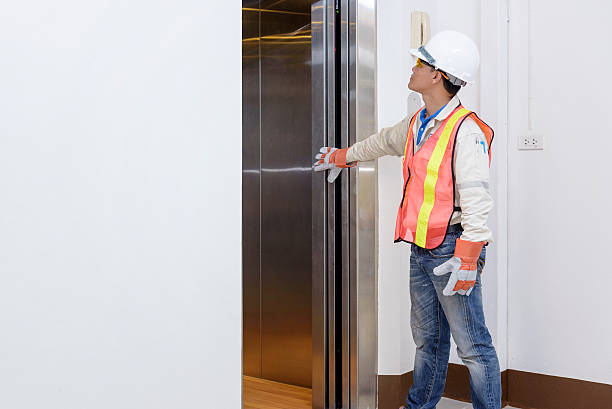
5 Elevator Maintenance Tips to Prevent Breakdowns and Improve Safety
Elevators are an essential part of modern residential, commercial, and multi-storey buildings. When an elevator operates smoothly, most people rarely think about the equipment behind it. However, regular inspection and preventive care are important for maintaining reliable and safe operation.
For building managers, elevator maintenance is not simply about fixing a lift after it stops working. A planned maintenance approach can help identify potential problems early, reduce unexpected downtime, and maintain a better experience for passengers.
Whether you manage an apartment building, office, hospital, hotel, shopping complex, or other commercial property, these five practical Elevator Maintenance Tips can help you manage your lift system more effectively.
Follow a Regular Elevator Maintenance Schedule
One of the most important steps in maintaining an elevator is following a proper maintenance schedule. Waiting until a lift develops a serious problem can result in unexpected breakdowns and disruption for building occupants.
A regular inspection allows technicians to check important components and identify signs of wear before they become larger issues.
Your maintenance plan may include checking:
-
Elevator doors and door operation
-
Control systems
-
Electrical components
-
Safety systems
-
Lift cabin operation
-
Buttons and indicators
-
Emergency communication systems
-
Other mechanical and electrical components
The exact frequency of servicing depends on the elevator type, usage, manufacturer recommendations, and applicable requirements.
Building managers should also maintain records of inspections and service visits. A documented Elevator Maintenance Schedule makes it easier to track previous work and identify recurring problems.
Pay Special Attention to Elevator Doors
Elevator doors are among the most frequently used parts of a lift system. They open and close every time passengers enter or leave the elevator, so regular use can eventually lead to wear or operational issues.
Building managers should pay attention to signs such as:
-
Doors opening or closing unusually slowly
-
Unusual sounds during door movement
-
Doors not closing properly
-
Doors reopening without an obvious reason
-
Delayed door operation
-
Physical damage around the entrance
If you notice a recurring door problem, it should not simply be ignored. A qualified technician should inspect the system and determine the cause.
Including door inspection as part of your Elevator Maintenance Checklist can help identify potential problems before they affect normal operation.
Never Ignore Unusual Sounds or Movement
A change in the way an elevator operates can sometimes indicate that professional inspection is required.
Building managers should take note if passengers or staff report:
-
Unusual noises
-
Excessive vibration
-
Jerky movement
-
Unusual stopping or starting
-
Delayed response to buttons
-
Problems with floor leveling
-
Changes in normal operating behaviour
These signs do not necessarily mean that a major failure is about to occur, but they should not be ignored.
A useful maintenance approach is to record the complaint, note when it occurs, and inform the maintenance team. This information can help technicians investigate the issue more efficiently.
Regular Elevator Servicing can help identify wear and operational issues before they become more disruptive.
Keep Safety Systems and Emergency Features in Working Condition
Elevator safety should always be treated as a priority.
Modern elevator systems may include different safety and emergency features depending on the model and installation. Building managers should ensure that these systems are inspected by qualified professionals as part of the maintenance process.
The maintenance team may check relevant safety components, emergency communication equipment, alarms, sensors, and other systems according to the elevator's design and applicable requirements.
Building staff should also know what to do if an elevator stops unexpectedly. Clear emergency procedures can help prevent panic and ensure that passengers receive appropriate assistance.
It is important that building managers do not attempt to repair or bypass elevator safety systems themselves. Maintenance and repairs should be handled by appropriately qualified elevator professionals.
Choose Preventive Maintenance Instead of Waiting for a Breakdown
One of the biggest mistakes a building manager can make is following a purely reactive approach.
Reactive maintenance means calling a technician only after the elevator has stopped working or developed a noticeable fault. Although emergency repairs are sometimes unavoidable, depending entirely on this approach can lead to more disruption.
Preventive Elevator Maintenance focuses on regular inspections, servicing, documentation, and early identification of potential problems.
A preventive approach can help building managers:
-
Reduce unexpected downtime
-
Identify developing issues earlier
-
Plan maintenance work more effectively
-
Maintain better records
-
Improve operational reliability
-
Support passenger safety
Preventive maintenance does not guarantee that an elevator will never experience a fault. However, it provides a more structured way to manage the equipment over its operating life.
What Should an Elevator Maintenance Checklist Include?
A practical Elevator Maintenance Checklist should be based on the specific elevator and the manufacturer's recommendations. However, building managers can generally keep track of areas such as:
-
Cabin and landing doors
-
Door sensors and operation
-
Control buttons and indicators
-
Emergency communication system
-
Lighting and ventilation
-
Safety-related components
-
Electrical and control systems
-
Unusual sounds or vibration
-
Floor leveling
-
General cabin operation
-
Previous service observations
The checklist should not replace professional inspection. Instead, it can help building managers organize maintenance information and communicate observations to their elevator service provider.
How Often Should an Elevator Be Serviced?
There is no single maintenance interval that applies to every elevator. The appropriate schedule can depend on factors such as elevator type, age, usage, building occupancy, operating conditions, manufacturer recommendations, and applicable local requirements.
For this reason, building managers should follow the maintenance schedule recommended for their particular elevator rather than relying on a fixed schedule copied from another building.
Regular Elevator Maintenance Services from a qualified professional can help ensure that inspections and servicing are planned according to the equipment's requirements.
Common Elevator Maintenance Problems to Watch For
Building managers should encourage occupants and staff to report unusual elevator behaviour rather than waiting for a complete failure.
Common warning signs may include:
-
Repeated door problems
-
Strange noises
-
Jerky movement
-
Uneven stopping at floors
-
Frequent service interruptions
-
Buttons or indicators not responding correctly
-
Unusual vibration
-
Repeated emergency call-outs
A single unusual incident may not indicate a serious problem, but repeated complaints should be investigated.
Keeping a record of these issues can also help technicians identify patterns and determine whether a component requires adjustment, repair, or further inspection.
Why Professional Elevator Maintenance Matters
Elevator systems contain mechanical, electrical, and safety-related components that require specialist knowledge. Attempting to repair an elevator without the appropriate expertise can create additional risks.
Professional maintenance allows trained technicians to inspect the system, identify faults, carry out appropriate servicing, and recommend repairs when required.
For building managers, selecting a reliable elevator maintenance provider is therefore an important part of long-term building management.
Frequently Asked Questions
What is included in elevator maintenance?
Depending on the elevator and maintenance agreement, servicing may include inspection of doors, controls, electrical components, safety systems, cabin operation, and other mechanical or electrical parts.
How often should an elevator be serviced?
The appropriate frequency depends on the elevator model, usage, age, manufacturer recommendations, and applicable requirements. A professional maintenance provider can recommend a suitable schedule.
Why is preventive elevator maintenance important?
Preventive maintenance helps identify potential problems earlier, reduce unexpected downtime, organize service work, and support reliable elevator operation.
What are common signs that an elevator needs attention?
Unusual sounds, vibration, jerky movement, door problems, uneven floor stopping, or repeated operational issues should be reported to the maintenance provider for professional evaluation.
Can building staff perform elevator repairs?
Elevator repairs and safety-system work should be handled by appropriately qualified professionals. Building staff can report problems and maintain service records but should not attempt technical repairs themselves.
Conclusion
Regular elevator care is an important responsibility for every building manager. A structured maintenance approach can help reduce unexpected problems and support safe, reliable operation.
Following a proper maintenance schedule, monitoring elevator doors, reporting unusual operation, checking relevant safety systems, and choosing preventive maintenance are five practical steps that can make elevator management more effective.
If your building requires professional Elevator Maintenance Services, discuss the elevator's usage, service history, operating condition, and manufacturer recommendations with a qualified elevator service provider. A maintenance plan based on the actual equipment and building requirements is the best way to manage long-term elevator performance.


