
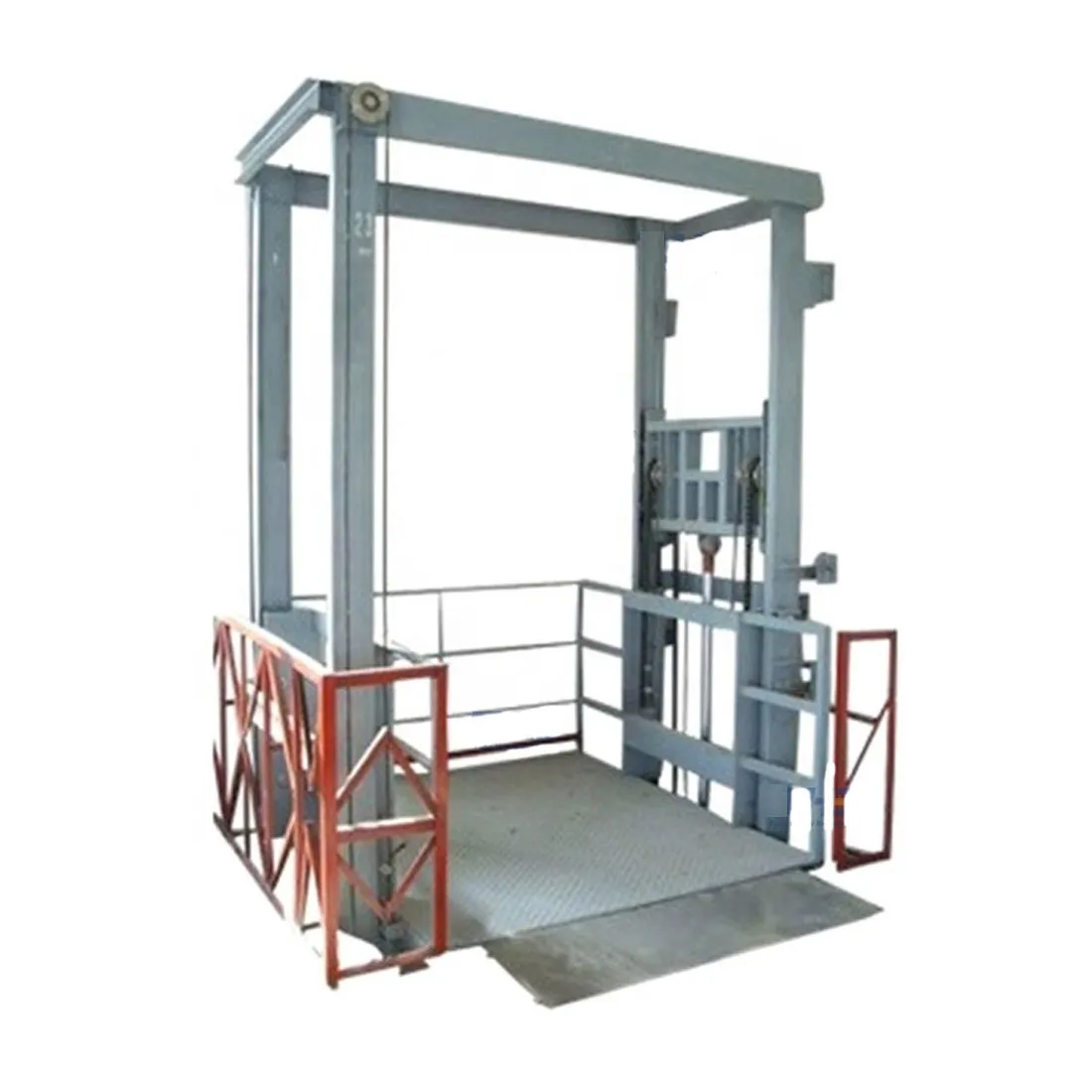
Industrial Lift Dealer in Barwala: Choosing the Right Lift for Industrial Use
Industrial facilities need lifting solutions that can handle demanding working environments, regular material movement and different load requirements. Whether it is a factory, warehouse, manufacturing unit or commercial-industrial property, the right elevator can improve the movement of goods and support smoother day-to-day operations.
For businesses searching for an Industrial Lift Dealer in Barwala, the decision should not be based only on the initial price. Load capacity, lift type, installation conditions, safety, available space, operating frequency and after-sales service all deserve attention before placing an order.
This guide explains what industrial businesses should consider when selecting an industrial lift for their facility.
Why Industrial Lifts Are Different From Passenger Lifts
Passenger elevators are primarily designed to transport people comfortably and safely. Industrial lifts, on the other hand, are generally selected for applications involving goods, equipment, materials or specific industrial transportation requirements.
Factories and warehouses may need to move materials between production floors, storage areas or different working levels. The elevator therefore needs to match the working environment and expected usage.
Depending on the application, an industrial elevator may be designed around requirements such as:
-
Higher load requirements
-
Frequent material movement
-
Larger cabin or platform dimensions
-
Industrial working environments
-
Specific loading and unloading requirements
-
Robust construction
-
Suitable safety systems
The exact configuration should be determined according to the project.
Choosing an Industrial Lift Starts With the Application
Before contacting an Industrial Lift Supplier in Barwala, identify exactly what the elevator needs to do.
Ask yourself:
What will the lift carry?
The material being transported can influence the appropriate lift configuration.
How much will it carry?
The required capacity should be determined from the maximum expected load rather than an average load.
How frequently will it operate?
A lift used throughout the working day may have different requirements from one used occasionally.
How many floors need to be connected?
Number of stops and travel distance are important during elevator planning.
Where will loading happen?
The position of loading and unloading areas can influence door and cabin planning.
These details help an elevator professional recommend a more appropriate solution.
Types of Industrial Lifts for Different Requirements
There is no single industrial lift configuration that works for every facility.
Depending on the application, businesses may evaluate solutions such as:
Goods and Material Lifts
These are considered where the primary requirement is moving goods and materials between levels.
They can be useful in warehouses, production facilities and commercial-industrial buildings where vertical material transportation is required.
Heavy-Duty Industrial Lifts
Where heavier materials or equipment need to be moved, a heavy-duty configuration may be considered.
Capacity, cabin dimensions, loading method and operating frequency should all be evaluated before selecting the system.
Industrial Elevators
An industrial elevator can be planned around the specific requirements of a factory or industrial facility, including number of stops, load requirements and site conditions.
The correct solution depends on the intended application rather than simply the name of the lift.
Load Capacity Should Be Carefully Planned
One of the most important factors when selecting an industrial elevator is capacity.
Underestimating the required load can create operational problems, while choosing an unnecessarily large system can increase project costs.
Before finalizing the lift, consider:
-
Maximum material weight
-
Typical material weight
-
Trolley or pallet requirements
-
Equipment dimensions
-
Loading method
-
Number of users involved in loading
-
Frequency of operation
A professional Industrial Elevator Manufacturer in Barwala can use these requirements to help determine an appropriate configuration.
Available Space Can Affect the Lift Design
Industrial buildings often have existing structures, machinery, production lines and restricted working areas.
Therefore, available space should be assessed before ordering an elevator.
The site survey should consider:
-
Shaft dimensions
-
Pit requirements
-
Overhead space
-
Landing areas
-
Door openings
-
Electrical requirements
-
Machine and equipment access
-
Loading and unloading space
For an existing factory, these factors can be especially important because modifications may be required before installation.
Industrial Lift Installation in Barwala
Industrial elevator installation is more than simply placing equipment into a shaft.
A typical project may involve:
1. Site Survey
The installation team evaluates the available space, floor levels, structure and intended use.
2. Requirement Finalization
Capacity, stops, travel distance, cabin dimensions and other specifications are established.
3. Design and Planning
The lift configuration is planned according to the building and operating requirements.
4. Civil and Electrical Preparation
Any required site preparation is completed before equipment installation.
5. Equipment Installation
The elevator components, cabin, doors, controls and associated systems are installed.
6. Testing and Commissioning
The completed system should be properly tested and commissioned before regular operation.
Good installation planning helps reduce avoidable issues and allows the lift to integrate more effectively with the facility's workflow.
Safety Is a Major Industrial Lift Requirement
Industrial environments can involve heavy materials, machinery and frequent loading activity. This makes safety planning particularly important.
When evaluating an industrial elevator, discuss appropriate safety provisions with the supplier, including:
-
Door safety systems
-
Overload protection
-
Emergency systems
-
Safety brakes and related mechanisms
-
Appropriate control systems
-
Emergency communication where required
-
Proper testing and commissioning
-
Suitable loading procedures
The actual safety configuration depends on the lift design, application and applicable requirements.
Safety should never be compromised to reduce the initial project cost.
What Affects Industrial Lift Cost?
Businesses often search for the Industrial Lift Price before contacting a supplier. However, there is no standard price that applies to every industrial project.
The final cost may depend on:
-
Load capacity
-
Number of floors
-
Number of stops
-
Cabin size
-
Lift type
-
Door configuration
-
Structural modifications
-
Electrical work
-
Installation complexity
-
Finishing and customization
-
Site accessibility
-
Maintenance requirements
A detailed quotation after a site assessment is generally more useful than comparing a basic equipment price.
Why After-Sales Service Matters
An industrial elevator can become an important part of a factory's daily operation. If it remains unavailable for an extended period, material movement may be affected.
That is why maintenance support should be considered before purchasing the lift.
Ask your supplier about:
-
Preventive maintenance
-
Breakdown support
-
Spare parts availability
-
Inspection schedules
-
Technical assistance
-
Service response
-
Annual maintenance options
Choosing an Industrial Lift Supplier in Barwala that can provide ongoing support can be valuable for businesses looking at the lift as a long-term installation rather than a one-time purchase.
How to Choose the Right Industrial Lift Dealer in Barwala
When comparing industrial elevator companies, do not evaluate them only by price.
Look at the complete service offering.
Technical Understanding
The supplier should understand your industrial application and recommend a configuration based on actual requirements.
Site Evaluation
A proper site visit can identify structural and installation considerations before the project starts.
Installation Support
Check whether the company can manage installation and commissioning professionally.
Customization
Industrial projects may have different load, cabin and access requirements. Ask whether the solution can be adapted to the project.
Maintenance
Reliable post-installation service can help keep the elevator operational over the long term.
Transparent Quotation
The quotation should clearly explain the major equipment, installation work and other project-related requirements.
Why Local Industrial Support Can Be Useful
For businesses in and around Barwala, working with an elevator provider familiar with local industrial requirements can make communication and project coordination easier.
Factories may operate according to production schedules, so installation planning and maintenance support need to be coordinated carefully.
A local-focused service approach can help businesses discuss site requirements, installation planning and future maintenance more efficiently.
Questions to Ask Before Ordering an Industrial Lift
Before finalizing your project, ask the elevator provider:
-
What type of industrial lift is suitable for my application?
-
What capacity do I actually need?
-
What shaft and pit requirements should I plan for?
-
How many stops will the lift serve?
-
What civil work is required?
-
What electrical preparation is needed?
-
What safety systems will be included?
-
What will the installation process involve?
-
What maintenance support is available after installation?
-
What factors are included in the final quotation?
Getting these answers in advance can make the purchasing process clearer and help avoid unexpected project requirements.
Frequently Asked Questions
Which industrial lift is best for a factory?
There is no single best industrial lift for every factory. The appropriate system depends on load, material type, number of floors, travel distance, operating frequency, available space and loading requirements.
How do I choose an industrial lift dealer in Barwala?
Compare technical experience, site assessment, installation capability, safety approach, customization options, maintenance support and quotation transparency rather than looking only at price.
Can an industrial lift be installed in an existing factory?
Yes, installation may be possible in an existing facility, but the site needs to be evaluated for structural conditions, available space, electrical requirements and other installation factors.
What determines industrial lift cost?
Capacity, number of floors, stops, cabin dimensions, lift configuration, structural work, electrical requirements, installation complexity and customization can all influence the final project cost.
Does an industrial lift require regular maintenance?
Yes. Regular maintenance and appropriate inspections are important for supporting safe and reliable operation.
Can industrial lifts be customized?
Depending on the application and elevator design, aspects such as capacity, cabin dimensions, door configuration and other specifications may be planned around the project's requirements.
Final Thoughts
Selecting an industrial elevator is an operational decision as much as it is an equipment purchase. The right system can make material movement more organized and support the daily workflow of a factory, warehouse or industrial facility.
If you are looking for an Industrial Lift Dealer in Barwala, start by defining your load, usage, number of floors, available space and installation requirements. Then compare suppliers based on technical support, installation quality, safety, maintenance and long-term service.
For industrial projects, the cheapest quotation is not necessarily the best choice. A properly assessed and professionally installed elevator can provide greater practical value throughout its working life.
JK Elevator Online can be approached to discuss industrial elevator requirements and evaluate a suitable solution according to the specific needs of your project.


